Forex trading has emerged as a lucrative opportunity for many Nigerians, transforming lives and reshaping financial futures. Understanding the journeys of successful traders not only highlights the potential of this market but also inspires others to navigate its complexities. From overcoming initial hurdles to mastering strategies, this exploration delves into the profiles of standout traders, their key tactics, and the essential role of education and community in achieving success. Discover the compelling stories behind their triumphs and the lessons that can guide future traders.
Profile of Successful Nigerian Traders
An examination of the journeys undertaken by successful Nigerian traders illustrates the various pathways available for mastering Forex trading and attaining financial success.
Case Study: Uche Paragon – From Novice to Expert
Uche Paragon, often regarded as one of Nigeria’s wealthiest Forex traders, reportedly boasts a net worth of over $16 million TradingBeastsAskTraders.comTraders Union. His journey exemplifies how informed strategy and disciplined execution can yield remarkable success.
- Uche began as a novice, discovering Forex trading during his university days. He relied heavily on educational resources to grasp the fundamentals of the TradingBeastsTraders Union.
- As his confidence grew, he adopted tools like TradingView for chart analysis and technical evaluations.
- A breakthrough came when Uche established a disciplined routine—studying market trends and reviewing past trades daily. Maintaining a trading journal helped him recognize both triumphs and missteps, refining his approach over time.
- This structured method empowered him to make informed decisions, culminating in strong and consistent monthly returns through careful risk management and strategic positioning.
Case Study: Patrick Ogagbor – Overcoming Early Challenges
Patrick Ogagbor, a former banker turned full-time Forex trader, transformed a modest start into financial independence. With a net worth estimated around $600,000 AskTraders.comTraders Union, his journey is marked by resilience and disciplined evolution.
- Early in his career, Patrick faced significant early struggles. However, instead of giving up, he adopted a disciplined trading plan and ceased emotional trading patterns AskTraders.comTraders Union.
- He implemented performance tracking tools, performed meticulous analyses on his trades, and identified recurring errors in his method.
- Patrick also invested in his education—completing online courses focused on risk management and technical analysis to bolster his trading expertise.
- Over time, this structured approach allowed him to refine strategies, prioritize high-probability trade setups, and ultimately achieve sustainable profit growth and financial independence.
Strategies Employed by Successful Traders
Successful Nigerian traders frequently utilize a combination of technical analysis and risk management strategies to effectively navigate the volatile market when trading Forex.
Technical Analysis Techniques
Utilizing technical analysis, traders systematically examine currency pair movements through charts and indicators to facilitate informed trading decisions.
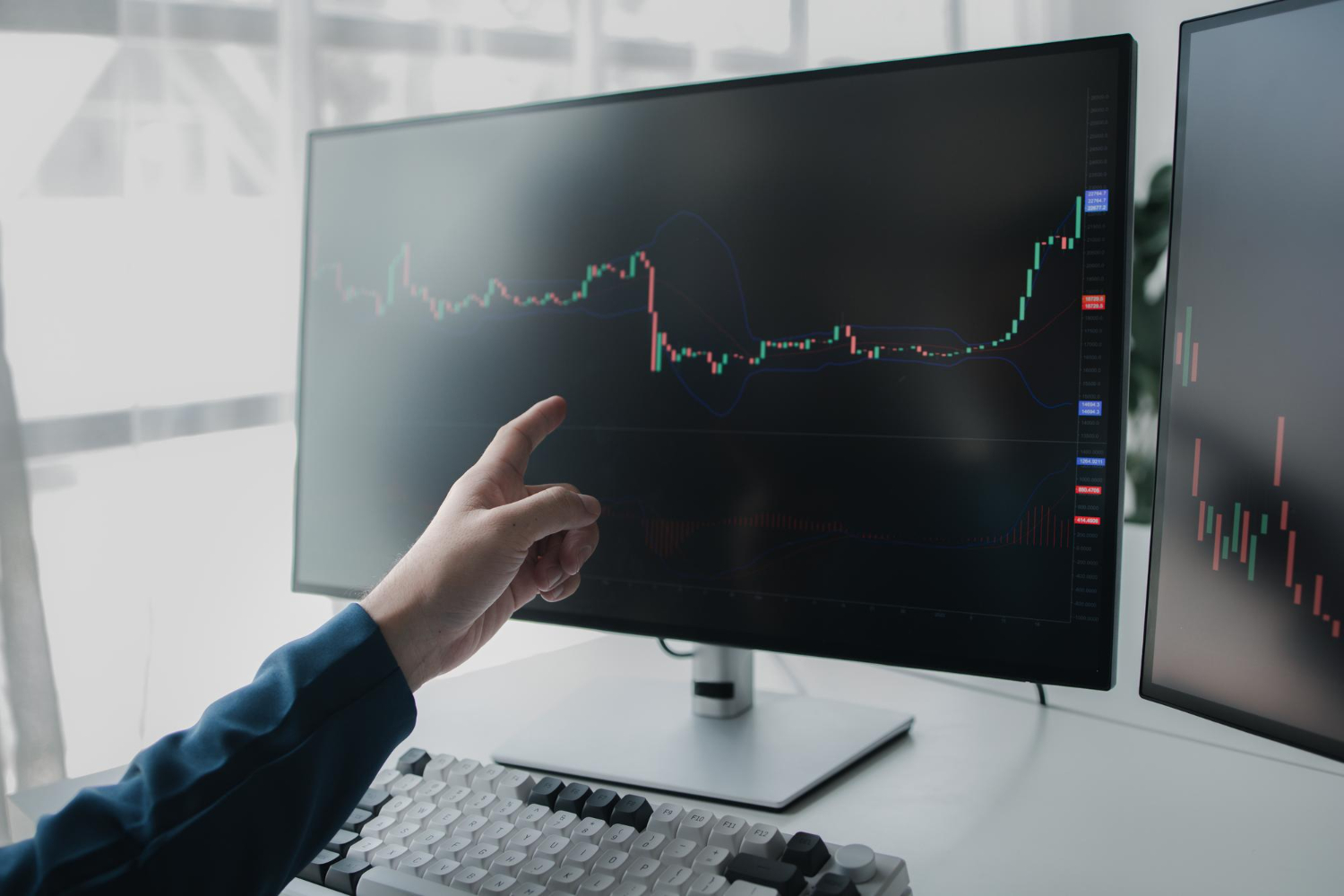
For instance, Trader A employs MetaTrader 4 (MT4) to monitor the Relative Strength Index (RSI) and Bollinger Bands. The RSI serves to identify overbought or oversold conditions, thereby signaling optimal entry and exit points.
Simultaneously, Trader A utilizes Bollinger Bands to assess market volatility and gauge prevailing trends. By integrating these indicators, Trader A formulates a comprehensive strategy: entering trades when the RSI falls below 30 and exiting when it exceeds 70, all while observing price action in relation to the Bollinger Bands.
This method significantly enhances the accuracy of each trading decision.
Risk Management Practices
Implementing robust risk management practices is essential in trading, as successful traders typically limit their risk to no more than 1-2% of their capital on any single trade.
One effective strategy is the use of stop-loss orders, which automatically execute a sale if a position declines to a predetermined price. For example, Trader B established a stop-loss order set at 5% below their entry point for a stock purchase.
Additionally, position sizing is a critical factor; by calculating the risk associated with each trade, they can ascertain their total investment.
In this scenario, if Trader B maintains a $10,000 account and opts to risk 1%, they would allocate no more than $100 to any individual trade. These strategies have enabled Trader B to minimize significant losses, facilitating more sustainable trading practices over time.
The Role of Education and Training
Education and training are essential components in equipping traders with the requisite skills needed for success in the Forex market.
Online Courses and Resources
Numerous online courses, such as the ‘Forex Trading A-Z’ course available on Udemy for $199, offer structured learning paths for aspiring traders. Additional options include the ‘Babypips School of Pipsology,’ which is free and covers a comprehensive range of topics from Forex fundamentals to advanced trading strategies.
Another noteworthy course is ‘The Complete Forex Trading Course’ on Coursera, priced at $79, which emphasizes technical analysis and risk management.
Many Nigerian traders have reported significant enhancements in their trading skills upon completing these courses. One individual remarked, “Babypips gave me the confidence to trade effectively.” Another trader highlighted, “The structured approach of the Udemy course helped me understand complex concepts that were previously daunting.”
Community Support and Networking
Community support and networking play a crucial role in the trading environment, as traders frequently utilize both local and online communities to exchange insights and experiences.
Becoming a member of groups such as the Nigerian Forex Traders on Facebook can significantly enhance one’s trading knowledge. These groups serve as a valuable platform for posing questions, sharing strategies, and receiving constructive feedback from more experienced traders.
Participating in local meetups or webinars creates opportunities for mentorship, allowing individuals to learn from seasoned traders in real time. Engaging actively by sharing personal trading experiences or challenges not only expands one’s network but also positions the individual as a trusted member of the community. This involvement can lead to greater insights and collaborative opportunities.
Challenges Faced in the Forex Market
Despite the potential for profit, Nigerian traders encounter numerous challenges, ranging from market volatility to regulatory issues that impact trading practices.
One significant challenge is the reliability of brokers. Traders frequently face the issue of unregulated brokers, which may result in complications with fund withdrawals. To mitigate this risk, it is essential to select a broker that is registered with the Securities and Exchange Commission (SEC) Nigeria.
Additionally, the lack of access to reliable news sources poses a problem. Subscribing to reputable platforms such as Bloomberg or utilizing applications like TradingView can provide essential real-time market data.
Education is also crucial in this field. It is advisable to consider enrolling in reputable online courses offered by institutions such as Coursera or Udemy that specialize in trading strategies.
Future of Forex Trading in Nigeria
The future of Forex trading in Nigeria appears to be promising, with an anticipated increase in participation as more individuals seek financial give the power toment through trading. This growth is primarily driven by the emergence of mobile trading platforms, such as HotForex and Exness, which provide user-friendly interfaces and low barriers to entry.
A recent report indicates that Nigeria may experience a 20% increase in traders by 2028, attributed to improved internet access and enhanced educational resources. Regulatory advancements from the Central Bank are bolstering investor confidence, thus encouraging a greater number of participants in the market.
Given these developments, aspiring traders are advised to take advantage of demo accounts for practice, utilizing tools such as MetaTrader 4 to gain real market experience.
Frequently Asked Questions
1. How can Nigerians make a living from Forex trading?
Nigerians can make a living from Forex trading by learning the necessary skills and strategies, staying disciplined and consistent, and keeping up with market trends and news. It’s important to also have a solid risk management plan and start with a demo account before moving on to live trading.
2. Are there any success stories of Nigerians who have made a living from Forex trading?
Yes, there are many success stories of Nigerians who have made a living from Forex trading. One notable example is Sandile Shezi, who went from selling muffins in South Africa to becoming a millionaire Forex trader. There are also many other success stories of regular Nigerians who have found success in Forex trading.
3. Do I need a large amount of capital to start trading Forex?
No, you do not need a large amount of capital to start trading Forex. In fact, many successful traders started with a small amount and gradually built their capital through consistent and disciplined trading. However, it is important to have enough capital to cover potential losses and to avoid over-leveraging.
4. Can I make a living solely from Forex trading?
Yes, it is possible to make a living solely from Forex trading. However, it requires dedication, patience, and a strong understanding of the market. It’s important to also have alternative sources of income, at least in the beginning, as Forex trading can be unpredictable and it’s important to have a stable financial foundation.
5. Are there any risks involved in Forex trading?
Yes, there are risks involved in Forex trading as with any form of investment. The market is constantly fluctuating and there is always a chance of losing money. It’s important to have a risk management plan in place and to only trade with money you can afford to lose.
6. Can I learn Forex trading on my own?
Yes, it is possible to learn Forex trading on your own through online resources, books, and practice. However, it is recommended to also seek guidance from experienced traders and to participate in courses or workshops to gain a better understanding of the market and develop effective trading strategies.